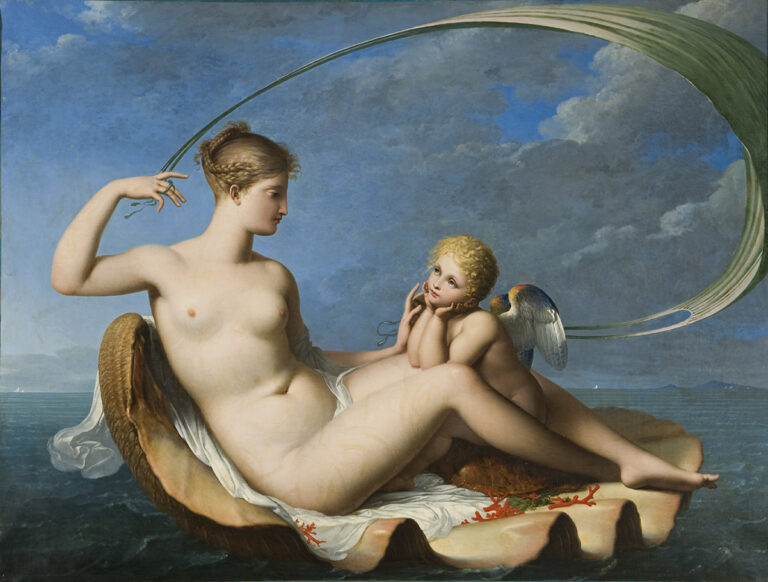
Sixty years after the annexation of Nice to France, the museum revisited, with this exhibition, the history of its creation, intimately linked to this historical event.
Indeed, when Napoleon III visited the city in 1860, artistic activity remained the result of private initiatives. There was no significant museum establishment to structure collections and events.
The Empire then implemented an assertive policy, marked by benevolence towards the newly annexed territories. Very quickly, the project of the Fine Arts Museum was supported by personalities whose origins, activities, and diverse political positions fueled an exciting debate intertwining aesthetic and social dimensions with issues of identity and territorial claims.
With the prestige of its building – the Kotschoubey-Thomson Palace – and its collection, consisting of remarkable contributions from Paris and major donations from private collectors, the Jules Chéret Fine Arts Museum opened its doors to the public in January 1928, almost seventy years after the start of this true ‘Battle of Fine Arts.’
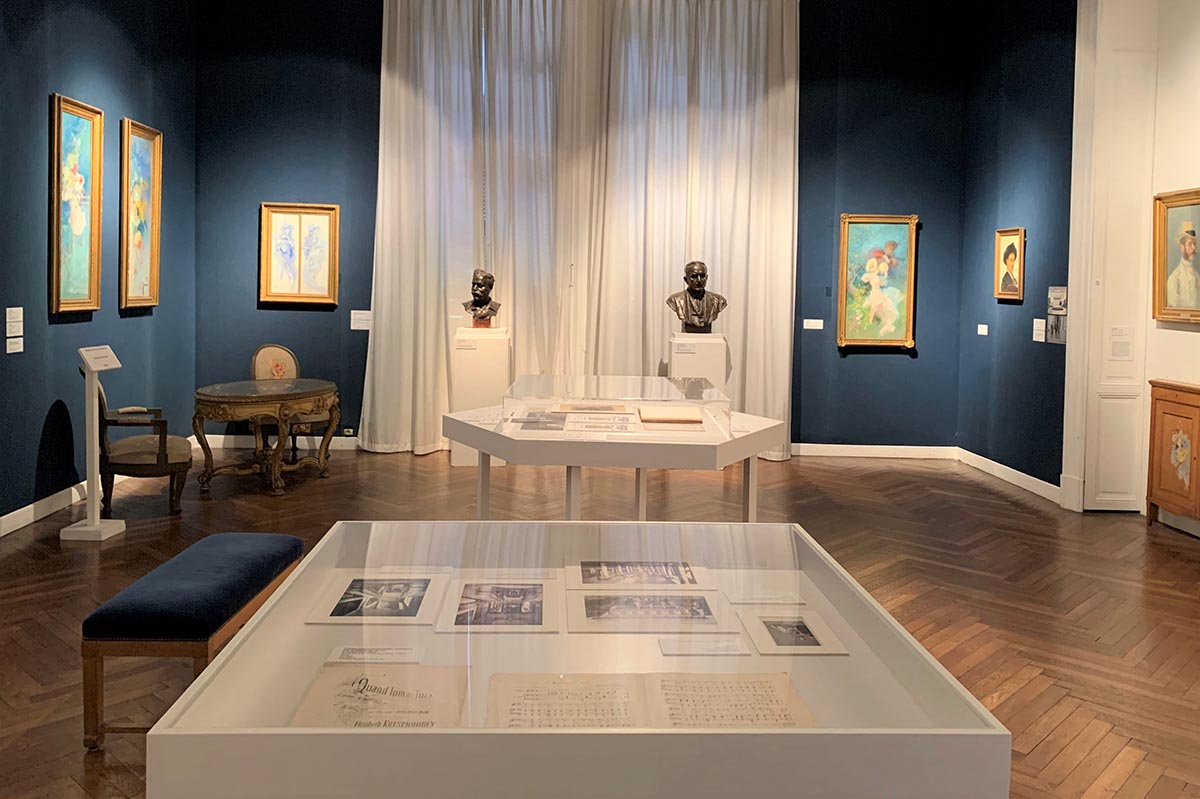
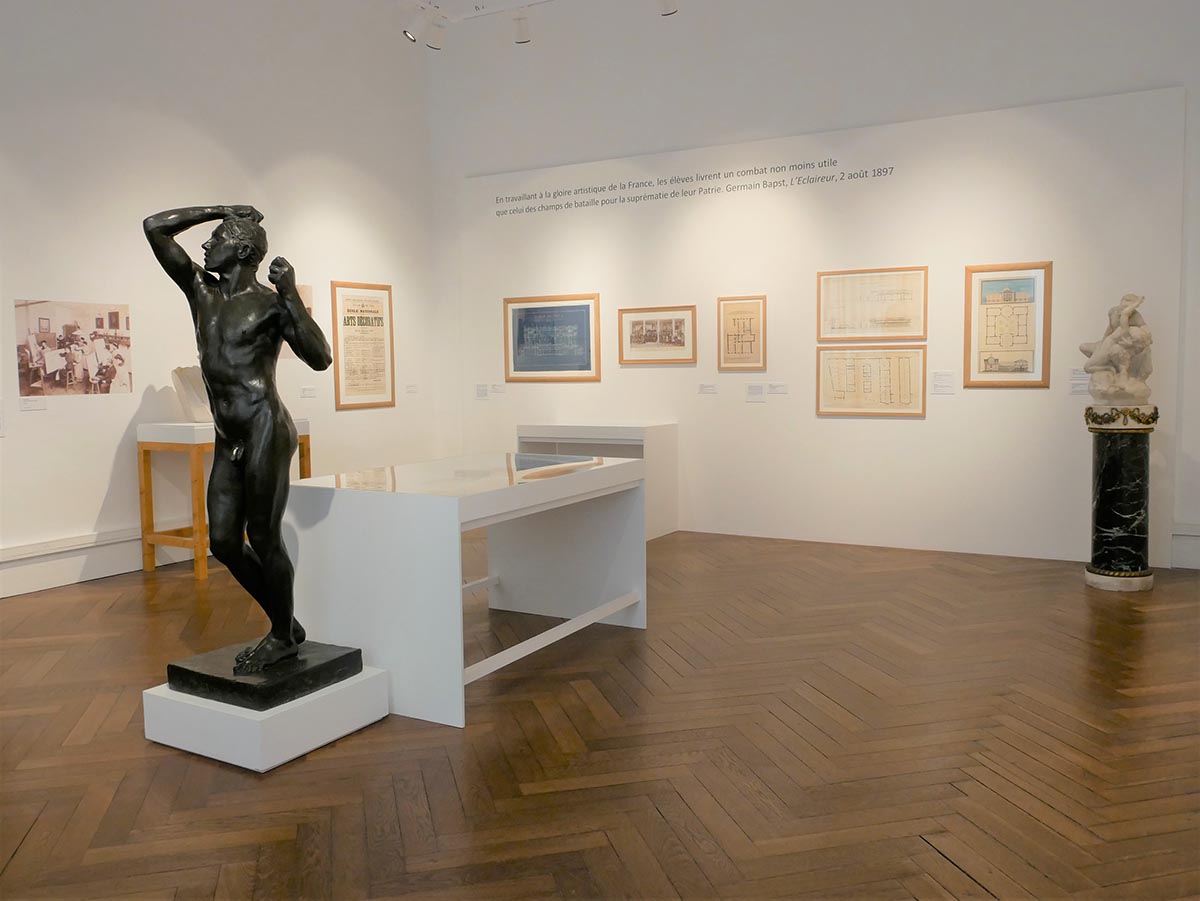
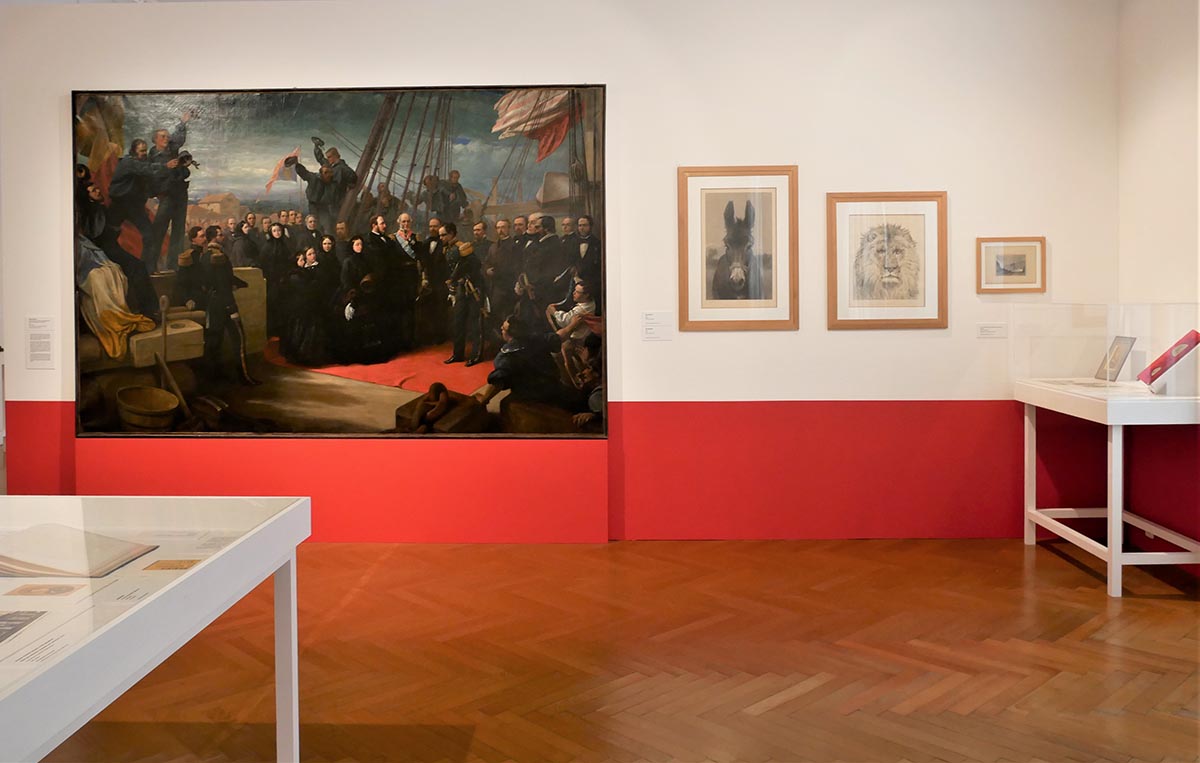
The exhibition offered a journey that unfolded the thread of this long history, addressing the numerous events and projects that marked it. A retrospective look to explain the museum as we know it today, in all its splendor and the eclecticism of its collection.
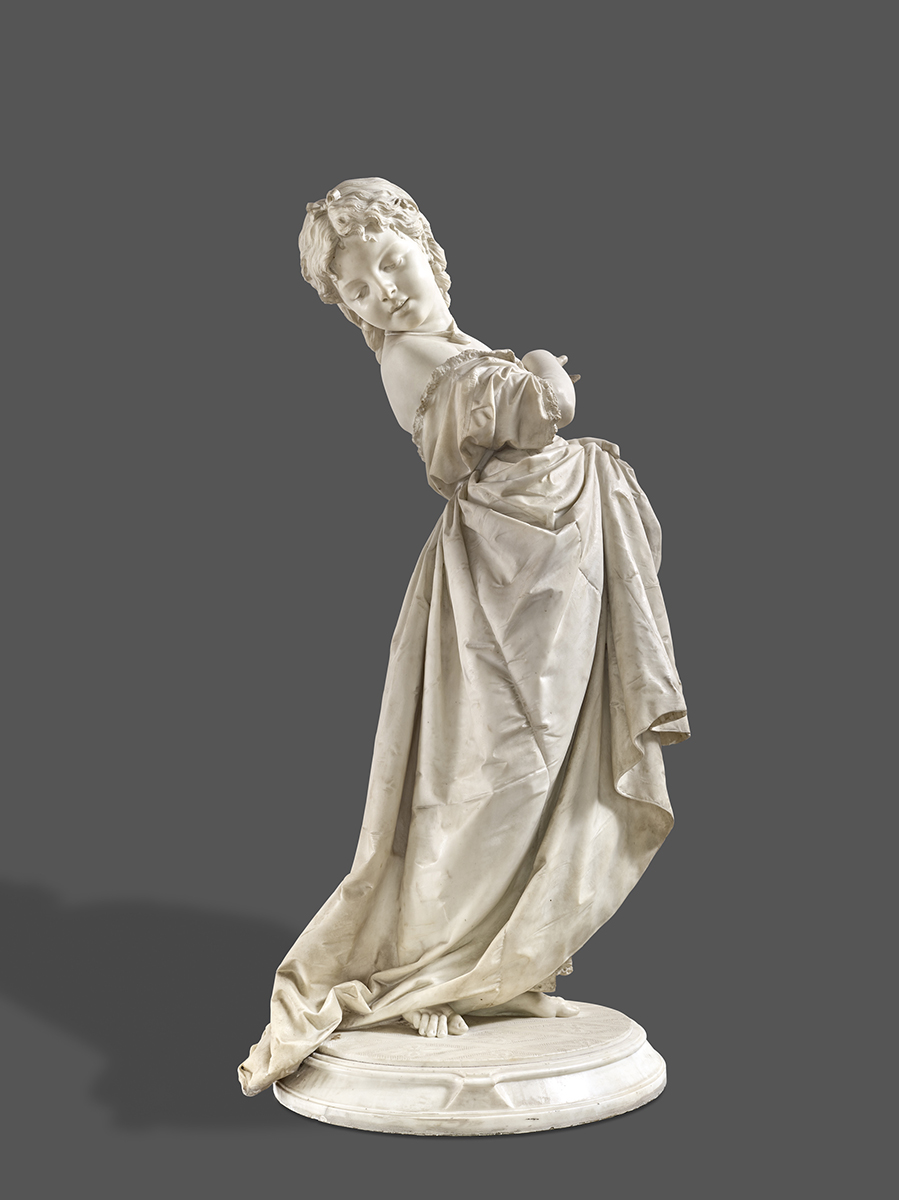
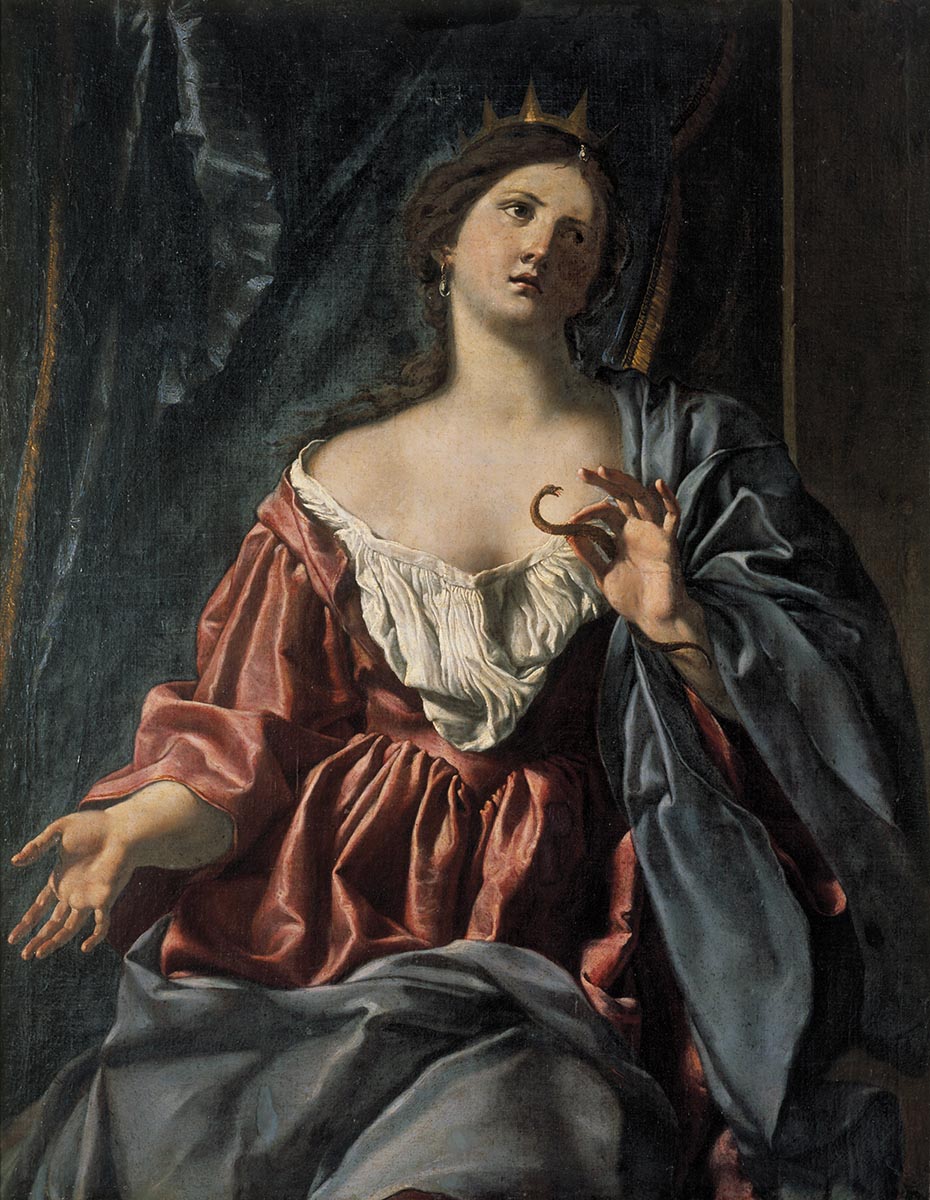
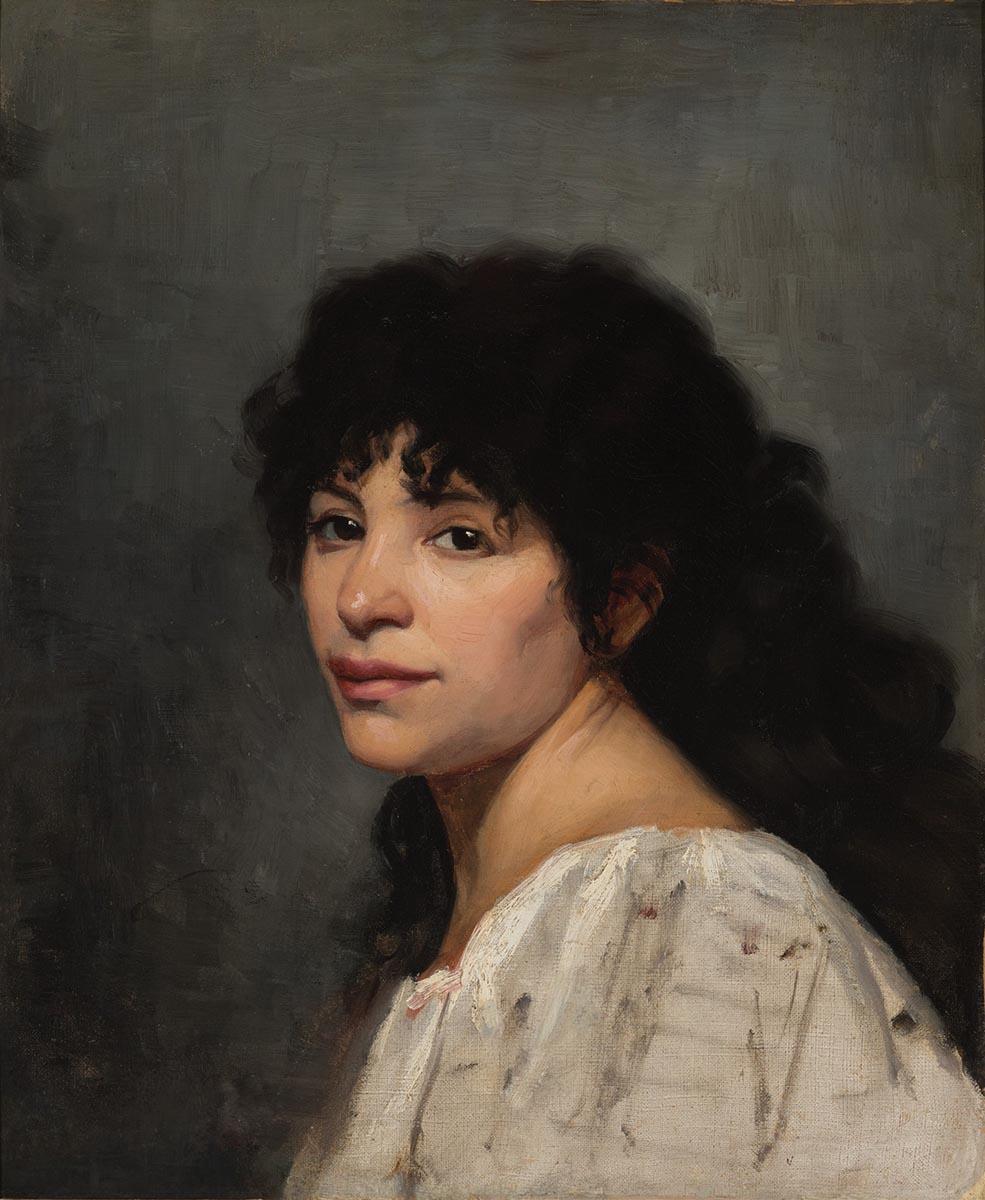
Works and Views of the Exhibition
The Catalogue
Under the direction of: Johanne Lindskog, Marion Duvigneau, Jean-Paul Potron
Published by: Éditions Snœck
One hundred and sixty years after the annexation of Nice to France, the Jules Chéret Fine Arts Museum revisits its genesis, intimately linked to this historical event…