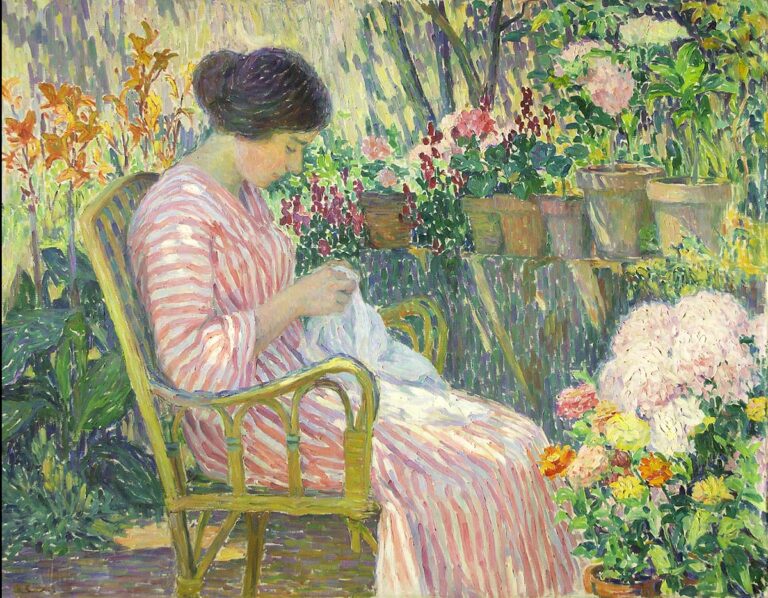
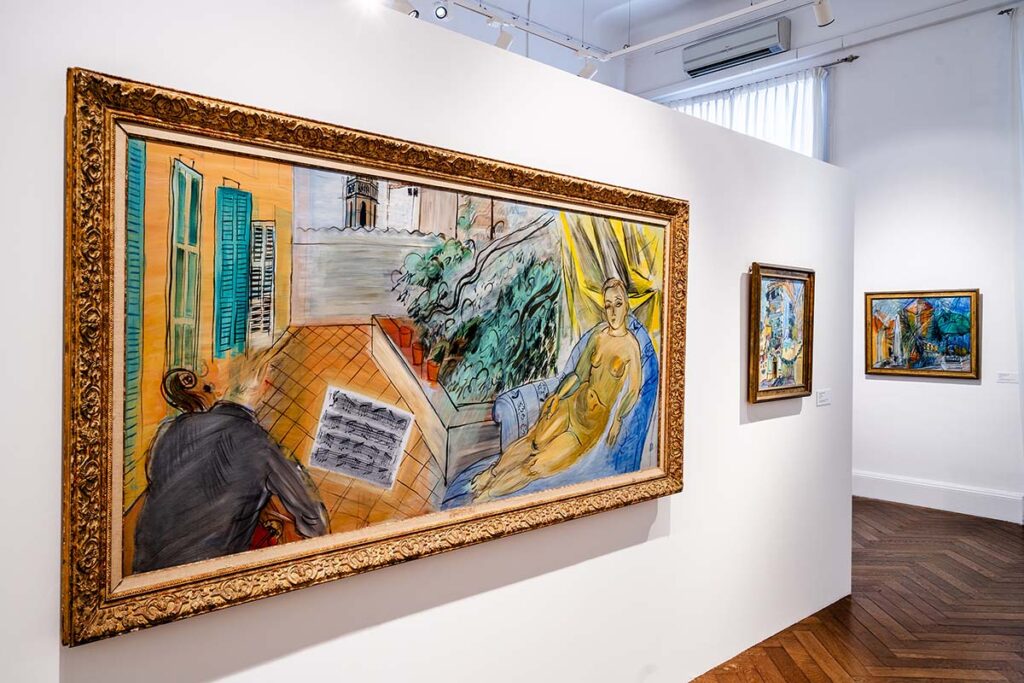
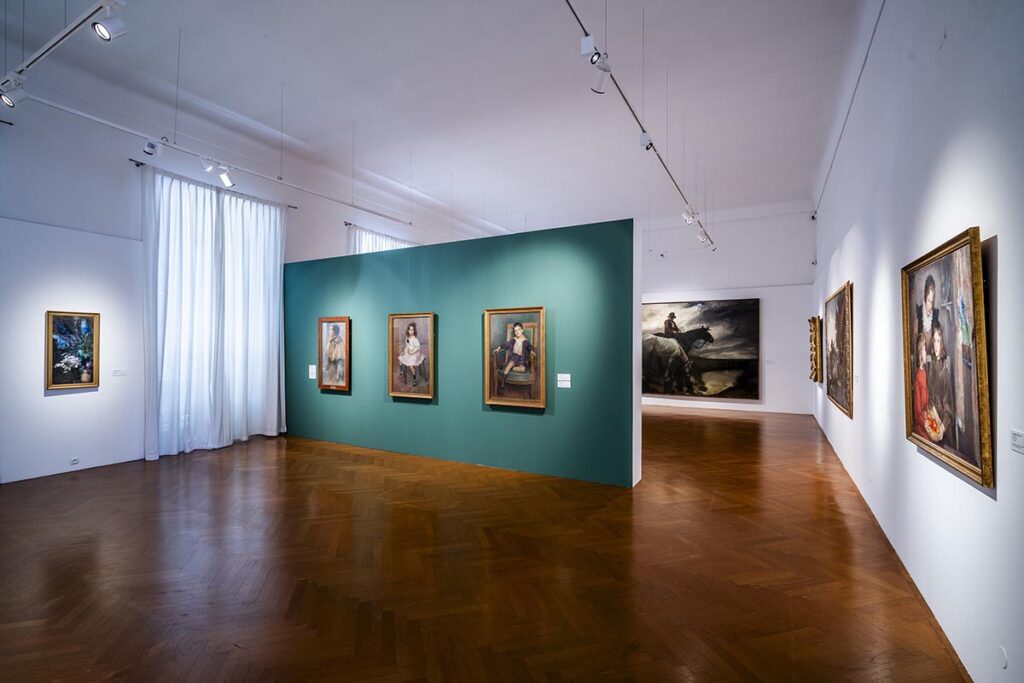
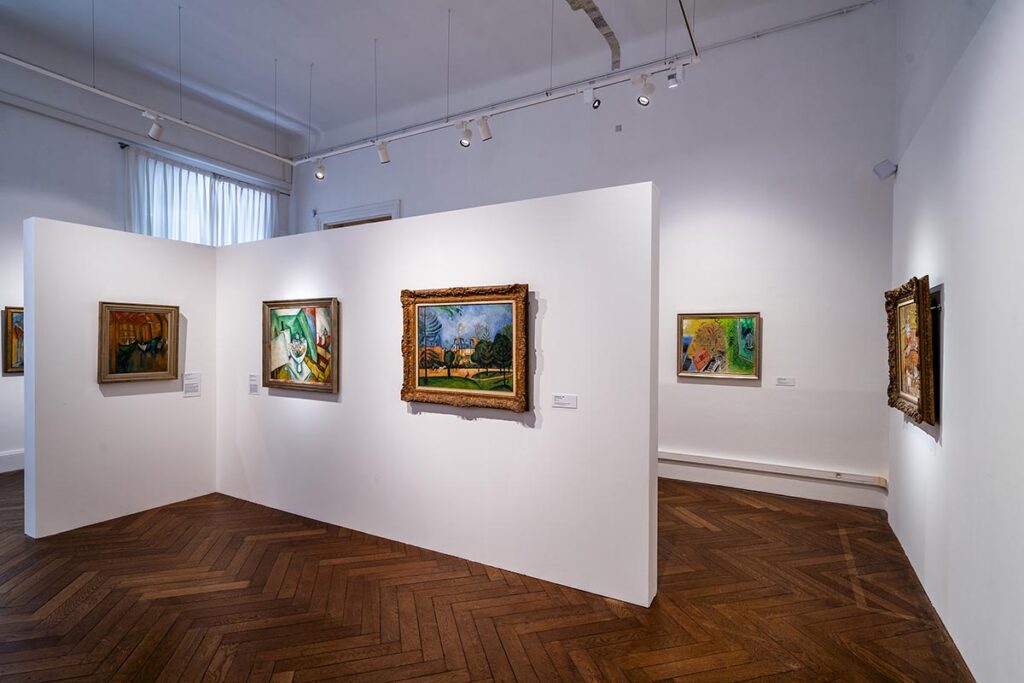
In this hanging, the Jules Chéret Fine Arts Museum highlighted works from its vast collection around different themes. For the earliest periods (13th – 18th centuries), the focus was on exploring the evolution of the representation of the Virgin in painting. A selection of sculptures mainly dating from the 19th and 20th centuries invited visitors to consider drapery as a symbol or decorative effect and, more broadly, the intention of realism that dictates the rendering of faces and postures. The progressive changes in artists’ relationship with reality in the 19th century, reflected in painting and sculpture techniques, were then explored through the works of Marie Bashkirtseff, Louise Breslau, Gustave Courbet, and Constant Troyon. For the 20th century, works by Pierre Bonnard, Charles Camoin, Henri and Marthe Lebasque, and Raoul Dufy encouraged reflection on Modernity in the arts.
Works and views of the exhibition

Second half of the 19th century, oil on canvas, 92 x 75 cm
N.Mba 312, Jules Chéret Fine Arts Museum, Nice
Bequest of Mr. Marc Antoine Fabre in 1885
[Currently on loan to the Courbet Museum in Ornans]
Textual Transcription of the Video
Johanne Lindskog, Director of the Museum of Fine Arts of Nice
[00:00:05] We are at the Jules Chéret Museum of Fine Arts in Nice.
[00:00:09] Currently housed in a sumptuous Belle Époque mansion, today we are going to discover the new display of collections featuring works from the thirteenth to the twentieth century.
[00:00:25] We open the exhibition in this magnificent and theatrical ballroom, with a display of sculptures from the late nineteenth century and early twentieth century.
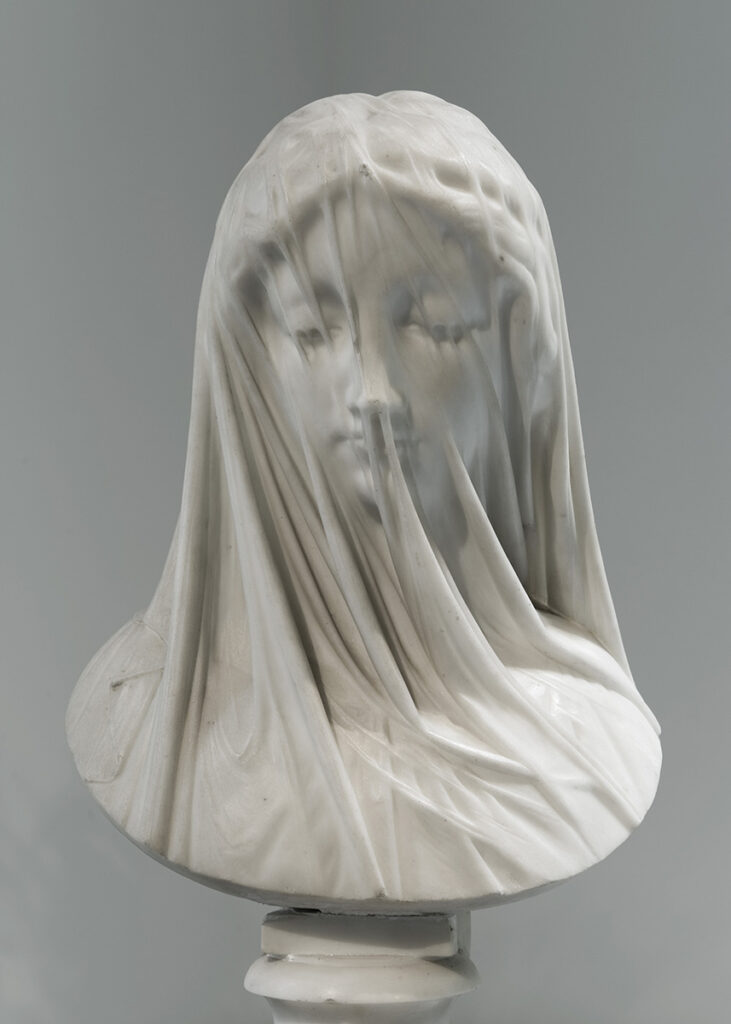
[00:00:38] This sculpture was created in the late nineteenth century by an anonymous artist after Luigi Guglielmi. It is made of marble, and the artist has shown exceptional skill in rendering the lightness of the fabric draped over the face of this young woman.
[00:00:56] This work was created by Gustave-Adolphe Mossa in 1905 and is titled “Elle.”
[00:01:02] It is one of the masterpieces of late European Symbolism. Here, it represents one of his obsessions in his younger years, namely the femme fatale.
[00:01:13] This painting was created in 1937 by Charles Camoin.
[00:01:17] In this painting, we can still see Fauvist influences related to Camoin’s career, which he began with Matisse by founding the Fauvism movement.
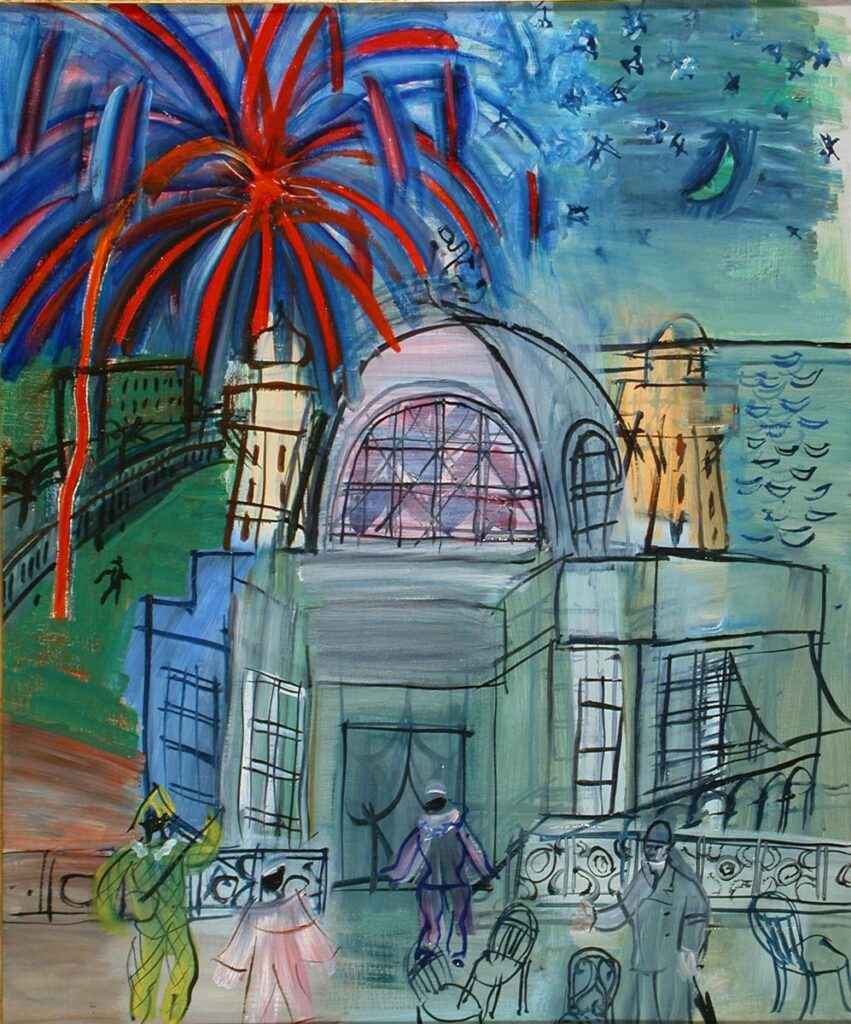
[00:01:30] This painting is titled “Le Mai à Nice.” It was created by Raoul Dufy in the 1930s. It is dedicated to his wife Émilienne, who was a native of Nice, her real name being Eugénie Brisson.
[00:01:42] The exhibition will run until October 22nd, and the museum is open every day except Monday, from 10 a.m. to 6 p.m.